
Is it right for you
What clear aligners treat, and what they don't
Clear aligners have advanced enormously and now handle the large majority of cases that once needed brackets and wires. They are not universal, and a practice that tells you otherwise is selling rather than diagnosing.

Treats well
Crowding and spacing, mild to moderate overbite and underbite, crossbite, teeth that have shifted after previous orthodontics, and the very common case of lower front teeth that have gradually crowded with age. Most adult cases fall squarely in this range.
Needs careful planning
Severe rotations, teeth that need substantial vertical movement, and large gaps from missing teeth are all achievable but demand precise attachment placement and strict wear discipline. These cases take longer and depend more on the patient than the appliance.
Better with braces
Skeletal problems where the jaws themselves are misaligned rather than the teeth, and complex cases involving significant bite reconstruction, are usually better served by fixed appliances. We will tell you plainly if that is what your case needs.
Day to day
Twenty-two hours is the whole deal
The single factor that determines whether your treatment finishes on schedule is not the technology or the practice, it is whether the aligners are actually in your mouth. Twenty to twenty-two hours a day is the requirement, which in practice means they come out to eat and to brush, and go straight back in.
Patients who treat the aligners as optional evening wear do not get the result the plan predicted, and the correction has to be re-scanned and restarted. This is the honest trade-off against braces: you gain the ability to remove them, and you take on the responsibility that comes with it.
The first few days of each new tray feel tight, sometimes achy. That pressure is the treatment working. It settles within about forty-eight hours, and most patients find changing trays before bed makes the adjustment easier.
Practical details
Eating & drinking
Aligners come out for all food and for anything other than water. Hot drinks warp the plastic; coloured drinks stain it. There are no food restrictions at all, which is a genuine advantage over braces.
Speech
A slight lisp is common for the first few days as your tongue adapts to the thin plastic edge. It resolves on its own, and reading aloud for a few minutes accelerates it noticeably.
Attachments
Most cases need small tooth-coloured bumps bonded to certain teeth, giving the aligners something to grip so they can rotate or move a tooth precisely. They are barely visible and are polished away at the end.
Cleaning
Rinse the trays whenever they come out and brush them gently with clear soap rather than toothpaste, which is abrasive and clouds the plastic. Brushing before reinserting prevents trapping sugars against your enamel for hours.
Real results
Before and after
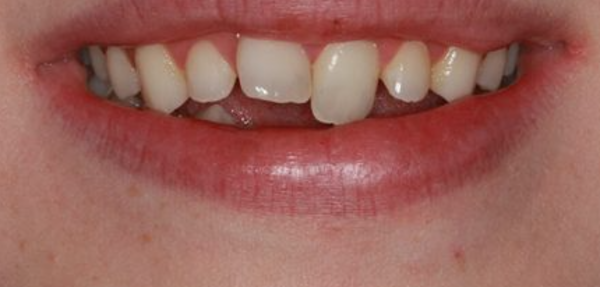
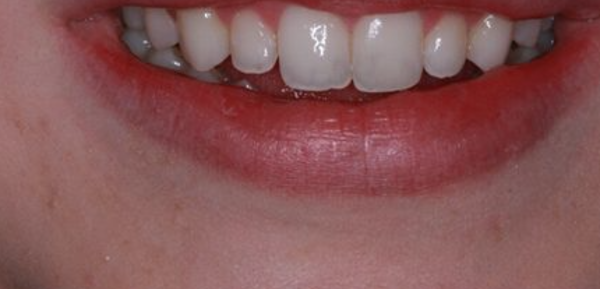
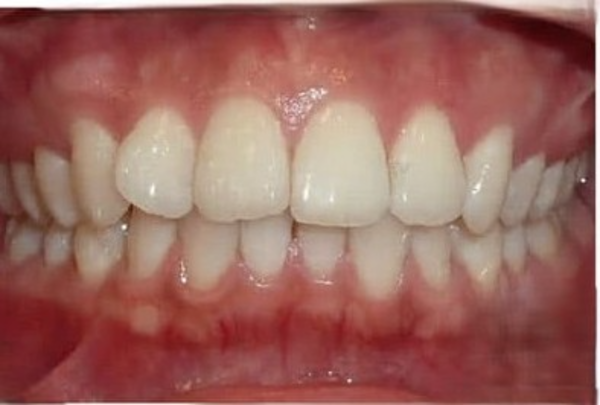
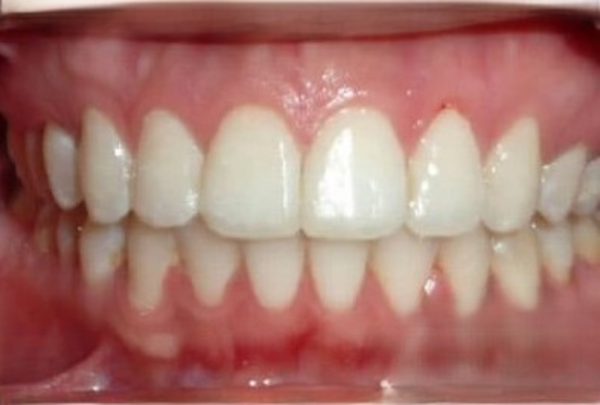
Afterward
Retention is part of the treatment
Teeth move for the rest of your life. Retainers are not an optional extra at the end of orthodontics, they are what keeps the result you paid for.
The first six months
Full-time wear apart from eating and brushing. The bone and ligament around each tooth are still reorganising, and this is when relapse is most likely.
Then nightly, indefinitely
After the initial period, most patients move to nights only. That is the long-term commitment, and it is a small one compared with re-treating.
Fixed retainers
A thin wire bonded behind the lower front teeth is often used where crowding was the original problem. It works quietly in the background and needs flossing around.
If it slips
If a retainer stops fitting because you stopped wearing it, do not force it. Call us and we will assess how much movement has happened and what it takes to correct.
FAQ
Invisalign questions, answered
How long does treatment take?
Duration varies with complexity. Mild cases can finish in as little as six months; most run twelve to eighteen. Your scan and plan give a realistic estimate before you start.
How many hours a day must I wear them?
Twenty to twenty-two hours. They come out to eat and to brush, and go straight back in. Wear time is the single biggest factor in finishing on schedule.
Is it as effective as braces?
For a wide range of problems, including crowding, spacing and many bite issues, yes. Skeletal misalignment and complex reconstruction are still better handled with fixed appliances.
Does it hurt?
Most patients feel mild pressure for twenty-four to forty-eight hours after each tray change. That pressure is the treatment working, and it settles quickly.
Will I need a retainer afterward?
Yes. Retention is a critical phase of any orthodontic treatment, full-time at first and then nightly long term.
What if I lose an aligner?
Call us the same day if you can. In most cases the instruction is to go back to your previous tray until we can advise or order a replacement.
Can I have it with crowns, veneers or implants?
Usually yes, with planning. Attachments do not bond reliably to porcelain, so the plan is designed around which teeth can carry them.
Does insurance cover it?
Many plans with orthodontic benefits contribute to clear aligner treatment as they would to braces. We will check your benefits before you commit.
Cost depends on how much movement your case requires. Call 770-995-0538 for a straight answer after a scan.
Real results
Invisalign cases, before and after
Drag the slider through our Invisalign cases and see the difference for yourself. Actual patients; individual results vary.
Other treatments
Explore the rest of what we do
Proud Members & Affiliations
Proud members


Visit us
Find us on Old Norcross Road
Address
747 Old Norcross Rd
Lawrenceville, GA 30046
Free parking outside the office.
Call
770-995-0538Hours
Monday–Thursday, 8:00am–5:00pm
Friday–Sunday, closed